Sexton-Gabrielle photographs
Deception PointThe Sexton-Gabrielle photographs are compromising images of Sedgewick Sexton and Gabrielle Ashe whose appearance at Sexton’s press conference reverses his attempt to control a political scandal. For Sexton, the photographs seem dismissible as long as they remain merely alleged; for Gabrielle, they are evidence of a relationship he has already denied. Their eventual public display turns his own staged disclosure into an exposure he cannot manage.
Identity and Context
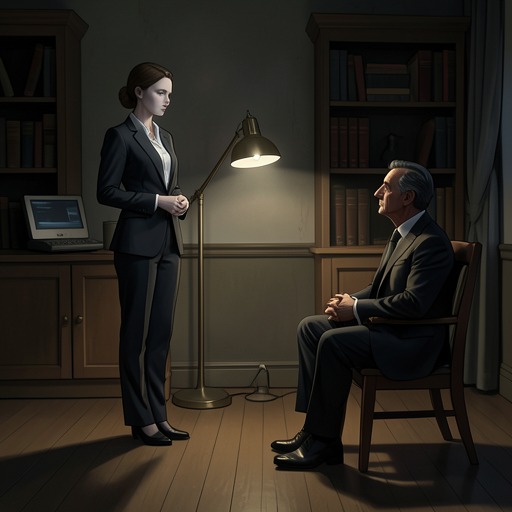
The photographs depict Sexton and Gabrielle together in an intimate situation. Sexton’s response shows that he regards them as a political liability, but initially assumes their existence can be denied or neutralized. Gabrielle, by contrast, knows that the White House possesses them and invokes that fact as she tries to stop him from proceeding with his plan.
That disagreement occurs alongside other damaging evidence: Gabrielle recalls digitized images of illegal checks on Sexton’s computer and fears that he will delete them if she challenges him. The photographs therefore belong to a wider struggle over what evidence can survive, who controls it, and which version of Sexton’s conduct the public will see. Gabrielle threatens to go public about their affair; Sexton answers that he has denied their involvement before and expects the public to believe another denial.
The Envelopes and the Attempt to Control Disclosure
Sexton’s confidence becomes tangible in the ten white linen envelopes on his desk. Each bears his name and address and is closed with a crimson wax seal stamped with his initials. He prepares them as formal-looking packets for a public disclosure, treating the appearance of the seals as part of the drama and authority of the occasion. He tells Gabrielle that the White House has no photographs and that even if it did, they would be meaningless; he believes his planned release will outweigh anything his opponents could produce.
At the press conference, a late-arriving reporter knocks the stack to the ground while attaching a microphone. Sexton blames the distraction on his daughter and, unable to see the reporter’s face as she gathers the papers, snaps that he will take the envelopes. She returns them without looking up, apologizes, and hurries into the crowd. Sexton counts all ten, reassured that nobody has taken them, then jokes to the reporters that he had better hand them out before someone gets hurt. The interruption seems to have changed nothing. In fact, the reporter is Gabrielle in disguise, and the dropped envelopes provide the opening for her substitution.
Public Exposure
When a reporter questions Sexton about why he has shared scandalous material after denying it, Sexton does not understand what the man means. The reporter hands him photocopies. Sexton sees black-and-white photographs of two people, naked and with their limbs intertwined; only then does he recognize what he is looking at. His prepared strategy collapses into a public confrontation with the very evidence he had insisted did not exist.
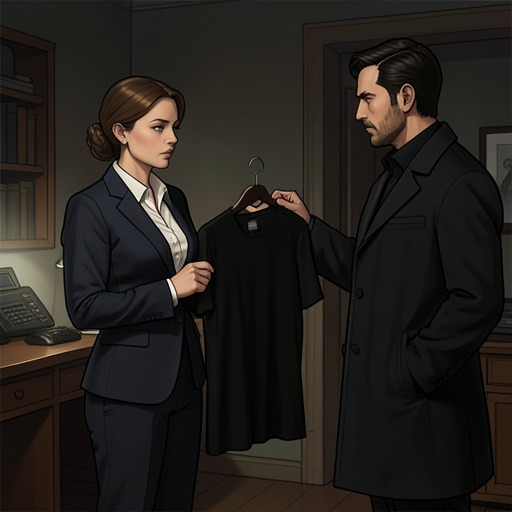
The crowd is laughing, and some reporters are already calling their news desks. Rachel steps forward and tells Sexton that they had tried to stop him and had given him every chance. Beside her stands the reporter who collected the envelopes. Gabrielle reveals her identity and opens her coat to show a stack of white envelopes tucked beneath her arm. The scene confirms that the apparent accident had concealed a deliberate exchange: Sexton had recovered ten envelopes, but not the ones he thought he had secured.
Political and Narrative Significance
The photographs matter not only as evidence of Sexton and Gabrielle’s relationship but as a reversal in the control of political disclosure. Sexton believes that a prior denial protects him and that his own envelopes can make rival evidence irrelevant. Gabrielle’s warning that the White House has photographs is therefore dismissed along with her threat to expose the affair. The public reveal makes that confidence untenable, while Rachel’s presence connects the exposure to the earlier effort to give Sexton a chance to stop.
The exchange also turns objects into instruments of competing narratives. Sexton’s wax-sealed envelopes look deliberate and authoritative; Gabrielle’s concealed stack, revealed only after he has accepted the apparent recovery, overturns that performance. The photographs themselves arrive not as a private warning but as photocopies passed directly to Sexton in front of reporters. Their force lies in this change of audience: what Sexton expects to manage as political material becomes visible to the press, and his denial is confronted at the moment he intends to command the story.